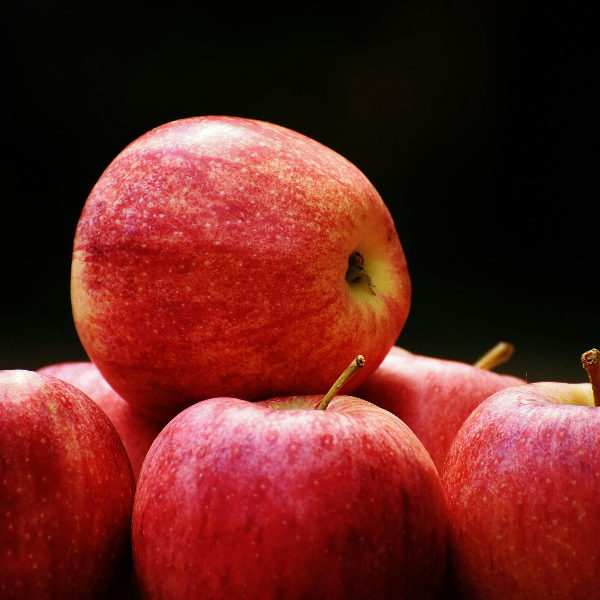
Apples are a good Snack
Nov 14, 2025Red apples are widely cultivated pomaceous fruits valued for their color, crisp texture, and balanced acidity. Classified within the species Malus domestica, apples trace their origin to the mountains of Central Asia, where their wild ancestor Malus sieversii still grows. Trade routes carried them westward into Europe and the Middle East, and later into the Americas during colonization. Their global presence stems from their adaptability, storability, and broad culinary and cultural roles. The red coloration develops as chlorophyll declines and anthocyanins accumulate in the skin. These pigments depend on light exposure, temperature, and varietal genetics. Beneath the peel, the flesh stores sugars, organic acids, and aromatic compounds that define the characteristic profile of each cultivar. Malic acid provides the fruit’s sharpness, while volatile esters and aldehydes generate its aroma. This balance of sweetness and acidity influences both fresh consumption and suitability for cooking or pressing. Culinary uses span raw eating, baking, juicing, fermenting, and long-term preservation. Raw slices provide texture and acidity in salads and snacks. Baking concentrates sugars and softens pectin, producing fillings for pies, tarts, and crisps. Pressed juice forms the basis for cider production, both fermented and unfermented. Apples also serve in chutneys, sauces, and dehydrated snacks. Their pectin content supports gel formation in jams and contributes to body in sauces and beverages. Nutritionally, apples supply dietary fiber, vitamin C, potassium, and polyphenols. The fibe...

Tomatoes are for Pizza
Nov 14, 2025Tomatoes work well on pizza because they solve several problems at once: acidity, moisture, fat balance and flavor structure. The natural acidity of tomatoes cuts through the richness of cheese and oil. Without that acid, pizza tastes heavy and flat. The tomato layer acts as a bridge between dough and toppings, letting salty, fatty and umami components integrate instead of sitting next to each other. From a texture perspective, properly reduced tomato sauce adds moisture without making the dough soggy. Cooked tomatoes release pectin and soluble solids that thicken the sauce, so it clings to the base and bakes into it, helping form a unified layer rather than a wet film. This gives the crust flavor and color while still allowing it to crisp. Tomatoes are also packed with glutamates, which drive umami. Combined with the glutamates in cheese and cured meats, they amplify depth of flavor. Their natural sweetness, especially in cooked or roasted form, balances salty ingredients like mozzarella, olives or salami. Finally, tomatoes are extremely adaptable: they can be bright and fresh (crushed, uncooked), deep and sweet (long-cooked), or intense and concentrated (reduced passata or roasted slices). That flexibility makes them a stable base for a wide range of regional and personal pizza styles.
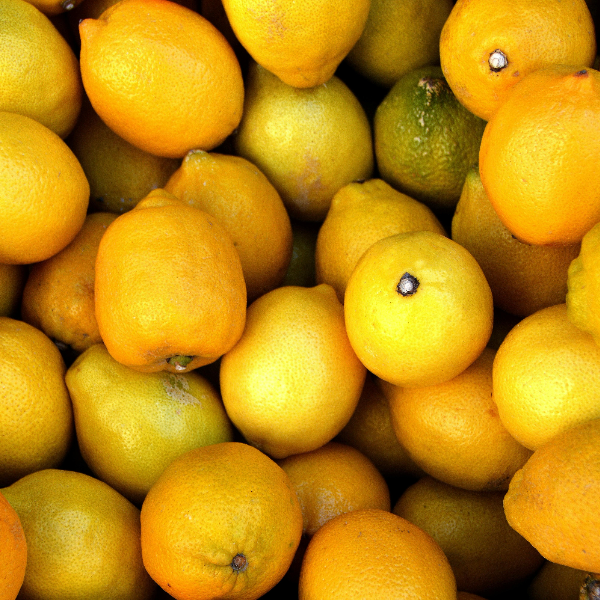
Lemons are Yellow
Nov 14, 2025Yellow lemons are one of the most recognizable and widely used citrus fruits, valued for their bright color, sharp acidity, and aromatic oils. Belonging to the species Citrus limon, lemons are thought to have originated in the region around Assam in India, northern Myanmar, and China before spreading westward through trade and cultivation. They became common in the Mediterranean by the second millennium and later in the Americas following European exploration. Their popularity stems not only from their culinary versatility but also from their nutritional and preservative properties. The lemon’s distinct yellow color develops as the fruit matures, coinciding with the breakdown of chlorophyll and the synthesis of carotenoids. The skin, or zest, contains essential oils rich in limonene and citral, compounds responsible for its fragrance and flavor. The pulp inside is composed of acidic juice vesicles, primarily consisting of citric acid, which gives lemons their characteristic sour taste. This acidity plays a functional role in food preservation, preventing microbial growth, and in culinary balance, cutting through fats and enhancing sweetness or saltiness in recipes. In cuisine, yellow lemons are indispensable. They appear in countless forms: as juice, zest, slices, or preserved fruit. Lemon juice is a standard ingredient in dressings, sauces, marinades, and beverages, from simple lemon water to complex cocktails. The zest, containing concentrated aromatic oils, is used to infuse flavor into baked goods, candies, and savory dishes. Preserved lemons, common in North African...